









当言语像流水一样从耳边滑过,当指令在空气中消散成模糊的音节——对于许多孤独症谱系障碍(ASD)儿童来说,这个世界的交流常常是一场令人困惑的迷雾。然而,当信息以“看得见”的方式呈现时,一切都变得清晰起来。
视觉支持策略正是这样一座桥梁。它并非复杂的治疗技术,而是利用孩子与生俱来的视觉优势,为他们搭建理解世界、表达自我的“脚手架”。
PART-01
为什么要“看见”而非“听见”?




PART-02
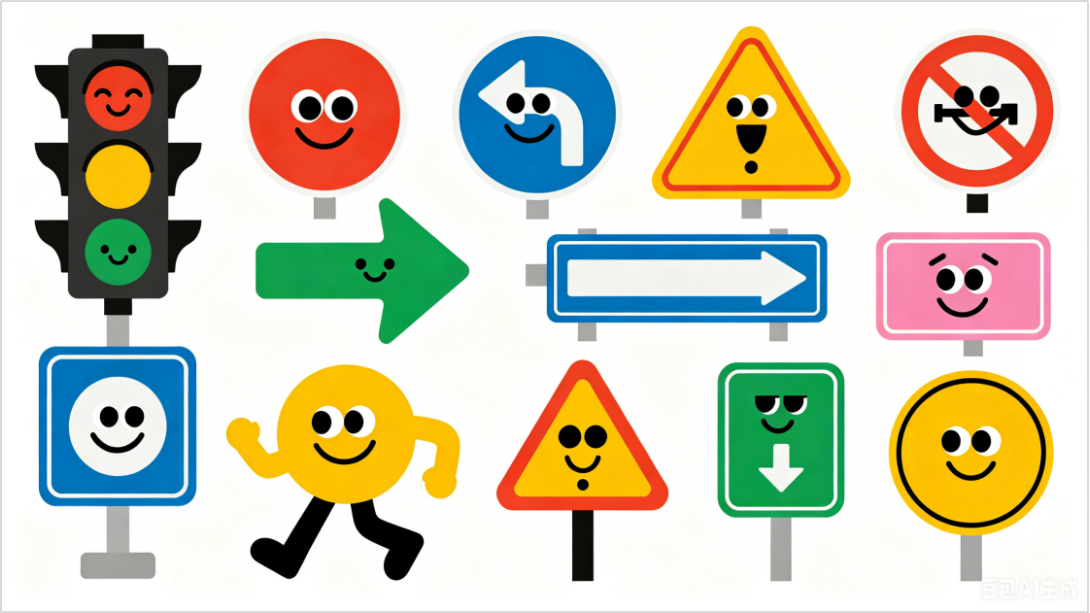
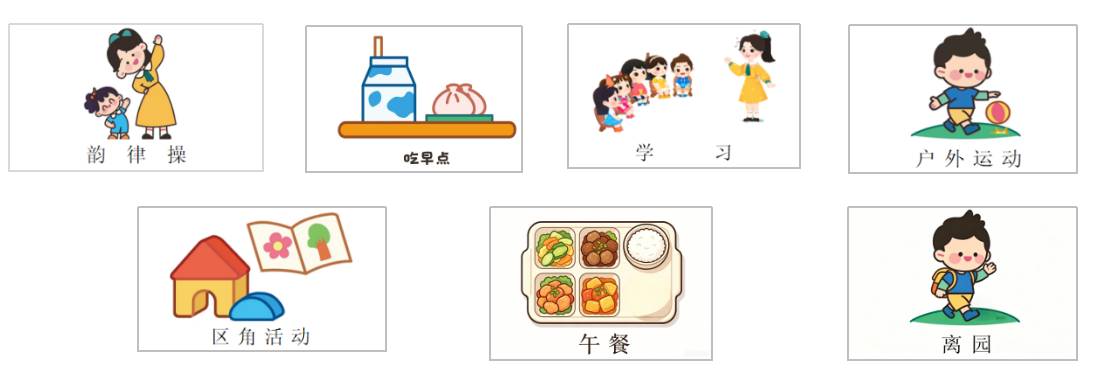
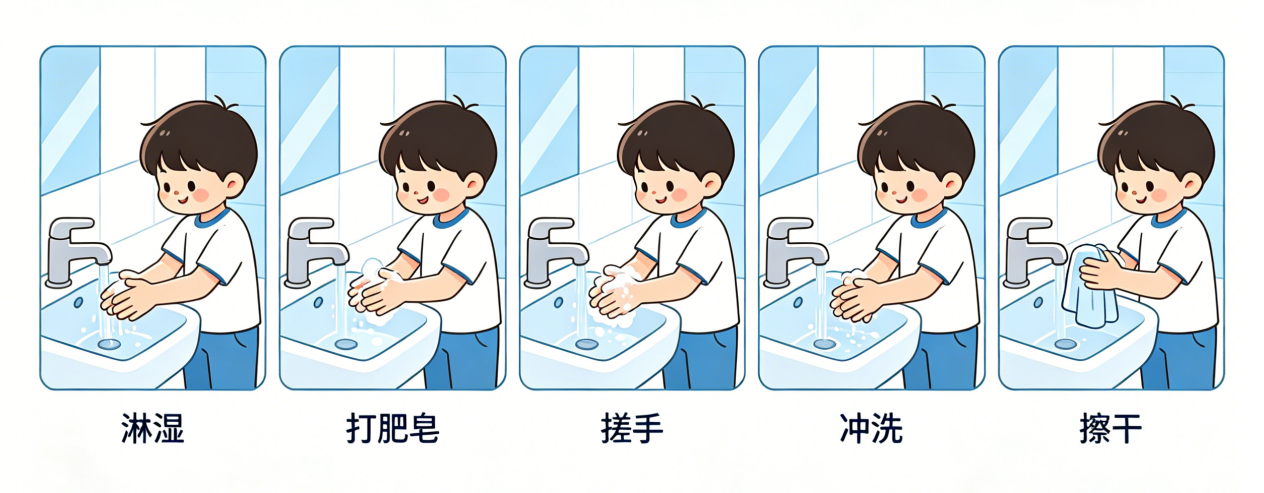
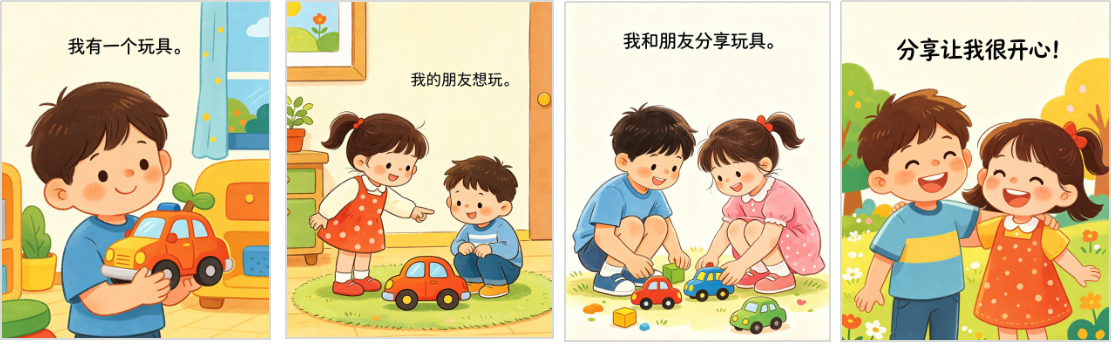
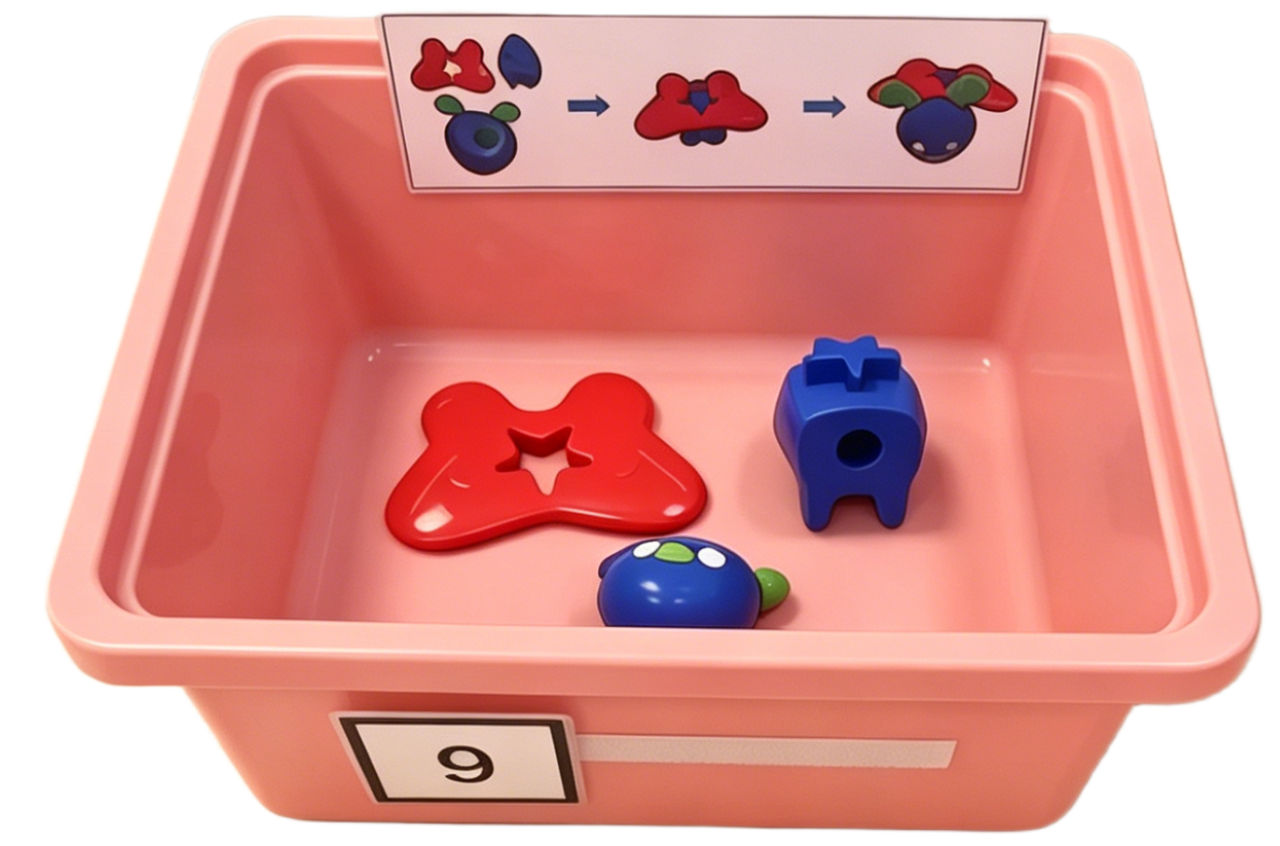
视觉支持的核心武器库


PART-03
如何选择与使用这些工具?
视觉支持策略的核心,从来不是“用图片代替说话”,而是用稳定代替流动,用具体代替抽象,用可预测代替不确定。它让那些在语言洪流中迷失方向的孩子,找到了一块可以站稳的礁石。
每一张卡片、每一条时间线、每一个“先-后”板,都是一座小小的脚手架——它不会永远在那里,但在孩子学会独立行走之前,它提供了最温柔也最坚实的支撑。
参考文献
[1] STEINBRENNER J R, HUME K, ODOM S L, et al. Evidence-based practices for children, youth, and young adults with autism[R]. Chapel Hill: The University of North Carolina at Chapel Hill, Frank Porter Graham Child Development Institute, National Clearinghouse on Autism Evidence and Practice Review Team, 2020.
[2] HUME K, STEINBRENNER J R, ODOM S L, et al. Evidence-based practices for children, youth, and young adults with autism: Third generation review[J]. Journal of Autism and Developmental Disorders, 2021, 51(11): 4013-4032.
[3] MESIBOV G, SHEA V, SCHOPLER E. The TEACCH approach to autism spectrum disorders[M]. New York: Plenum Press, 2005.
[4]协康会. 孤独症儿童训练指南:全新版. 教学策略[M]. 广州: 广州海燕电子音像出版社, 2016.
[5] SANTUS I, CAMERON M J, CARDON T. A structured interdisciplinary assessment framework for autism, treatment, and intervention[M]//DIXON D R, STURMEY P, MATSON J L. Handbook of early intervention for autism spectrum disorders. New York: Springer, 2024: 187-203.
[6] KIDDER J E, MCDONNELL A P. Visual aids for positive behavior support of young children with autism spectrum disorders[J]. Young Exceptional Children, 2017, 20(3): 103-116.
[7] DUFEK S, VEJNOSKA S, SCHREIBMAN L. Naturalistic intervention[M]//DIXON D R, STURMEY P, MATSON J L. Handbook of early intervention for autism spectrum disorders. New York: Springer, 2024: 255-271.
[8] QI C H, BARTON E E, COLLIER M, et al. A systematic review of effects of social stories interventions for individuals with autism spectrum disorder[J]. Focus on Autism and Other Developmental Disabilities, 2018, 33(1): 25-34.
(文中部分图片由AI生成)